Packing errors that can void your removals insurance
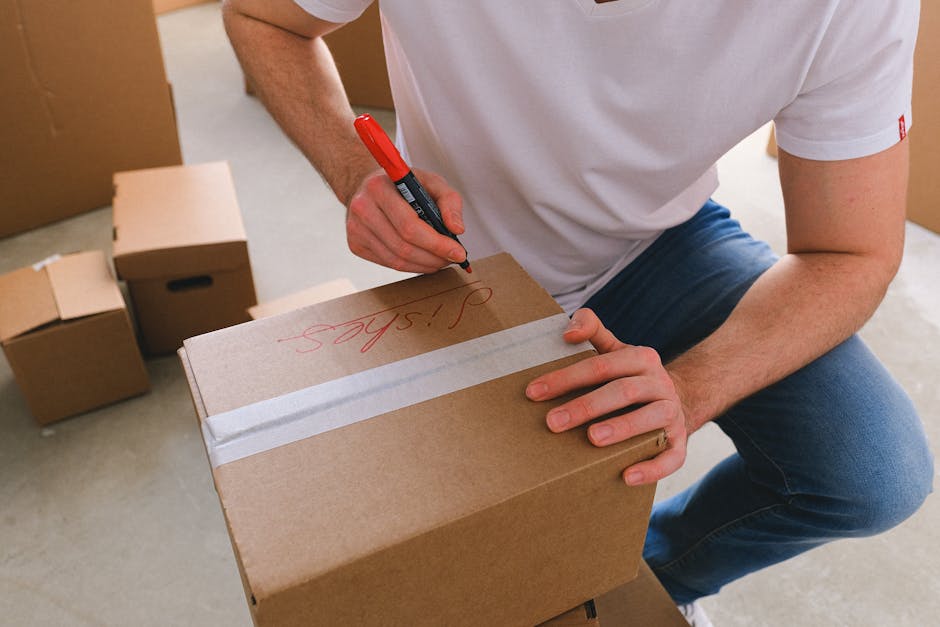
Moving day has a way of exposing every little packing shortcut you thought would be fine. A box packed a bit too heavy. A lamp left loose. A television wrapped "well enough" with an old duvet because you were running out of time. Most of the time it feels harmless until something breaks, and then the awkward part begins: some packing mistakes can weaken, delay, or even void your removals insurance claim.
This guide breaks down Packing errors that can void your removals insurance in plain English. You will see which mistakes matter most, how insurers and removal firms typically view them, and what sensible packing habits can reduce risk. If you are moving a flat in London, a family home in the suburbs, or a small office with more wires than anyone wants to admit, the same basic rules apply. And yes, the box that looked "fine" on the kitchen table can become a problem at the worst possible moment.
Let's make the whole thing less stressful.
Why Packing errors that can void your removals insurance Matters
Removals insurance is there to protect against loss or damage during a move, but it is not a magic safety net. In most cases, cover depends on the items being packed sensibly, declared properly, and handled within agreed terms. If an item is damaged because it was badly packed, loosely secured, under-filled, over-filled, or not suited to the packing method used, the insurer may argue that the damage was avoidable.
That is the bit people miss. Insurance is not only about the truck, the stairs, or the road between A and B. It also depends on what happened before the item ever left the house. A cracked mirror inside a box with no padding. A bottle of cleaning fluid leaking onto a sofa because the lid was not tightened. A glass table surface wrapped in thin paper and stacked under heavier boxes. These are the kinds of things that can turn a straightforward claim into a mess.
To be fair, most people are not trying to cut corners. They are trying to survive a moving week with a marker pen in one hand and a tea cup in the other. Still, insurers and removal companies usually care less about how busy you were and more about whether the packing was reasonable. That is why it matters so much to understand the weak points before moving day arrives.
Key point: bad packing does not always void cover entirely, but it can reduce what you can claim, slow down the process, or give the insurer grounds to challenge responsibility.
How Packing errors that can void your removals insurance Works
The basic idea is simple: insurance only responds to risks that fall within the policy terms. If damage happens because an item was packed in a way that was obviously unsuitable, the insurer may decide the loss was preventable. Removal companies may also point to customer-packed items as excluded or limited under their own terms.
There are a few common ways this plays out:
- Customer-packed items are often treated differently from items packed by professional packers.
- Fragile goods usually need extra protection, like cushioning, dividers, or rigid boxes.
- Improper contents can be excluded, especially if the item contains liquids, perishables, hazardous materials, or loose components.
- Poorly sealed cartons may fail during lifting or stacking.
- Overweight boxes can split or crush other items.
In practice, the insurer or removal firm will usually look at causation. Was the damage caused by the move itself, or by the way the item was prepared? That question matters more than people realise. A box that bursts because it was packed with books and plates until it weighed a small mountain may be treated very differently from a box that was damaged in an accident despite being sensibly packed.
There is also a documentation side. Photos, item lists, and a clear inventory make a big difference. If you can show how the goods were packed, when they were sealed, and what condition they were in before loading, your claim is in a much stronger position. No drama, just evidence.
Key Benefits and Practical Advantages
Good packing is not only about avoiding awkward conversations later. It also makes the whole move calmer and safer. Once you understand the risks, the advantages are pretty obvious.
- Fewer claim disputes: clear packing standards reduce the chance of arguments about avoidable damage.
- Better protection for breakables: proper cushioning and box selection cut down on chips, cracks, and crushing.
- Faster unloading: well-labelled, balanced boxes are easier to carry and place in the right rooms.
- Less chance of hidden damage: tight packing prevents items moving around in transit.
- Lower stress on moving day: when boxes hold together, everyone breathes easier.
There is a small but real practical benefit too: sensible packing often saves money. Fewer broken items means fewer replacements, fewer emergency runs to buy more packaging, and less wasted time. It also helps removal crews work safely, which matters if you are moving from a third-floor walk-up or a narrow terraced street where every trip counts.
Put simply, good packing gives your insurance a better foundation. It is the sort of thing you only fully appreciate after the move, which is a bit annoying, but true.
Who This Is For and When It Makes Sense
This topic matters to almost anyone moving house, but it is especially relevant if you are packing your own belongings rather than using a full packing service. If you are hiring a crew for the heavy lifting only, then the quality of your own packing becomes even more important.
It is also particularly useful for:
- homeowners and tenants moving locally or long distance
- people with fragile, sentimental, or high-value belongings
- small businesses moving stock, files, or office equipment
- anyone moving on a tight schedule who wants to reduce risk
- families trying to balance practical packing with the chaos of daily life
If you have antiques, artwork, electronics, mirrors, or flat-pack furniture that still has its awkward original shape, the margin for error gets smaller. Same with shared-house moves, where boxes often get stacked in hallways and someone inevitably says, "That'll be fine on top, won't it?" Usually, no, it won't.
In some cases, using professional packing and unpacking services is worth considering if the items are delicate, the timing is tight, or you simply do not want to gamble with insurance wording. And if you are comparing wider move options, the general removal services available can help you decide whether a partial or full-service move makes better sense.
Step-by-Step Guidance
If you want to reduce the chance of a claim dispute, a methodical approach is your best friend. Nothing fancy. Just careful, consistent packing from start to finish.
1. Sort items by fragility and risk
Start with the most delicate things first. Glass, ceramics, lamps, monitors, mirrors, framed art, and anything with moving parts should be treated separately from ordinary kitchenware or clothing. That sounds obvious, but in a rushed move people tend to bundle things together because the room looks clearer that way. It usually isn't.
2. Use the right box for the right item
Light items can go in larger boxes. Heavy items need smaller boxes so they do not become unmanageable or split under strain. Books in a giant carton is a classic mistake. So is using a box that has already seen three moves and a rainy garage floor.
3. Add enough cushioning, but not nonsense-padding
Wrap each fragile item properly. Use paper, bubble wrap, or blankets where appropriate, and fill empty space so items cannot knock into each other. The goal is protection, not a weird game of box tetris.
4. Seal and reinforce properly
Tape the base securely, especially for heavier loads. If a box opens at the bottom while being lifted, whatever is inside becomes everybody's problem. Double-tape seams if needed, and do not leave flaps loose.
5. Label clearly and honestly
Mark boxes with room names and a simple note like "fragile," "this side up," or "heavy." Keep the labels readable. Fancy handwriting is lovely, but not if nobody can tell whether it says "kitchen" or "kittens."
6. Keep contents compatible
Do not mix liquids with textiles, sharp items with soft furnishings, or heavy items with delicate ornaments. A box can be full and still be badly packed. That distinction matters.
7. Photograph valuable or fragile items before sealing
A quick phone photo can support a claim later. Take pictures of the item, the packing layer, and the sealed box if it is something valuable. It takes a minute. Worth it.
8. Tell your removal company about special items early
Bulky mirrors, marble tops, pianos, delicate electronics, or items with existing damage should be declared before the move. Surprises are charming in some parts of life. Not here.
9. Check your policy wording before moving day
Look for exclusions related to self-packed items, high-value goods, and fragile possessions. If anything is unclear, ask before the van arrives. That conversation is much easier at 10 a.m. than after something has broken at 4 p.m.
10. Keep a simple inventory
A room-by-room list is enough for many moves. You do not need a museum archive. Just a record of what went into each box and where it was placed in the new property.
Expert Tips for Better Results
Here is the practical part. The sort of advice that tends to come from experience rather than theory.
Use smaller boxes more often than large ones. A box that is easy to carry is less likely to be dropped, crushed, or repacked badly. Heavy items should never test anyone's grip strength.
Protect corners and edges. Many items do not break in the centre. They fail at the edges where pressure lands first. Corners on frames, table tops, and monitors need extra care.
Pack boxes tightly enough to stop movement. A little movement inside a box becomes a lot of damage in a van. Items should stay still when the box is gently shaken. Not violently shaken, obviously - let's not turn this into science fiction.
Keep original packaging for expensive electronics. If you still have the factory box and inserts, use them. Manufacturers do not create those shapes by accident.
Do not overestimate "soft" protection. Towels, T-shirts, and bedding are helpful, but they are not a cure-all. They can shift, compress, or leave gaps.
Separate liquids from everything else. Even sealed bottles can leak. A tiny spill can stain paperwork, damage finishes, or create a smell that lingers for days.
One small observation from real moves: the boxes that seem fine in the morning are often the ones that cause the fuss by late afternoon. The tape loosens. The handle gives way. The bottom sags. A sensible packing routine protects you from that slow, annoying unraveling.
Common Mistakes to Avoid
This is where claims most often go sideways. Some mistakes are obvious, others creep in because people are busy.
- Overpacking boxes: too much weight causes damage, collapsed cartons, and lifting injuries.
- Underpacking fragile items: empty space lets items smash together.
- Using damaged boxes: old cardboard can fail under pressure, especially in damp weather.
- Leaving loose lids or weak tape: a box that opens in transit is hard to defend in a claim.
- Wrapping several fragile items together without separators: that can create friction and impact damage.
- Ignoring manufacturer instructions: certain appliances and electronics have packing or transport guidance for a reason.
- Failing to declare valuable items: some policies require special notice for high-value goods.
- Mixing unsuitable items: food, liquids, batteries, and fragile decor often should not share a box.
One of the most common traps is assuming "the removal firm will sort it out." Sometimes they do, but not always. If you packed it yourself, the burden may fall back on you to show that the packing was reasonable. That is why care before the move pays off later.
Tools, Resources and Recommendations
You do not need a warehouse full of specialist gear, but a few basics make a big difference.
| Tool / Material | Best Use | Why It Helps |
|---|---|---|
| Small and medium boxes | Books, kitchenware, mixed household items | Prevents overloading and reduces box failure |
| Heavy-duty tape | Sealing bases and tops | Stops boxes opening during lifting |
| Bubble wrap or paper wrap | Glass, ceramics, lamps, decor | Cushions against impact and vibration |
| Marker pens and labels | Room marking and contents notes | Makes handling and sorting easier |
| Blankets or furniture pads | Large items and surfaces | Helps prevent scuffs and light abrasion |
| Inventory list or phone notes | Tracking contents | Supports claims and unpacking |
If you are not sure where to begin, a good removal company can usually advise on packing standards before moving day. The wider choice of removal company options, including specialist house removals support, may be worth comparing if your move includes fragile furnishings, stairs, or a tight loading window.
For a clear idea of what additional protection or reassurance might be available, many people also look at insurance and safety information before they commit. That is a sensible habit. Not glamorous, but sensible.
Law, Compliance, Standards, or Best Practice
This subject can touch insurance wording, consumer expectations, and basic duty of care. It is worth being careful here. Different policies and removal contracts vary, and the exact wording matters.
In the UK, a removal company will typically set out what is covered, what is excluded, and what responsibilities sit with the customer. Read the terms before the move, especially if you are packing items yourself. Some policies distinguish between professionally packed items and self-packed goods, and that distinction can affect claims.
There is also a practical safety angle. Heavy, unstable, or poorly sealed boxes are harder for removals staff to lift safely. That can increase the risk of dropped items, back strain, or damage to walls, floors, and furniture. Good packing is therefore not just about insurance. It is part of sensible handling practice.
If you are moving commercially, the stakes can be a bit different. Files, hardware, stock, and office equipment may need extra care and a tighter inventory. Businesses should pay close attention to whether they are using commercial moves support or a more tailored office relocation services arrangement, because the packing and liability expectations can shift with the type of move.
Best practice, in plain terms, means this: pack honestly, pack securely, declare special items, and keep evidence. That is the standard most sensible removal firms will expect, even if the paperwork looks a bit dry.
Options, Methods, or Comparison Table
There is no single right way to pack, but some methods are clearly safer than others. The table below gives a practical comparison.
| Method | Pros | Risks | Best For |
|---|---|---|---|
| DIY packing | Lower upfront cost, more control | Higher chance of packing errors, more claim disputes | Low-risk, everyday items |
| Partial professional packing | Help for fragile or valuable items, lower stress | Needs clear communication on what is included | Mixed moves with a few delicate pieces |
| Full packing service | Best consistency, stronger defensibility if damage occurs | Higher cost, less hands-on control | Busy households, larger homes, office moves |
For many people, the sweet spot is a hybrid approach. Pack clothing, books, and non-breakables yourself, then hand delicate or awkward items to professionals. It is often the middle ground that saves both money and grief. Truth be told, that balance is usually what people wish they had chosen after the move, not before it.
Case Study or Real-World Example
Imagine a couple moving from a two-bedroom flat in South London to a house with a narrow staircase and a packed loading bay. They boxed up most of the kitchen themselves on a Friday evening after work. Nothing wild. Just the usual rush: plates, glasses, a few bottles, some pans, and a set of cereal bowls wrapped in tea towels because the bubble wrap had run out.
On moving day, one box was too heavy, another had a loose base, and a third mixed glassware with a small bottle of washing-up liquid. During transit, the bottle leaked, the base sagged, and one glass set cracked under pressure. Nobody was being careless on purpose, but the packing was not strong enough for the journey.
When the claim was reviewed, the issue was not whether the move had happened. It was whether the damage was caused by the move or by the way the items were prepared. The insurer asked for photos and an item list, and the evidence was limited. The result was a slower claim process and less certainty about what could be paid.
Now compare that with a second move where breakables were packed in smaller boxes, liquids were separate, boxes were labelled, and a few photos were taken before sealing. Same kind of move. Very different outcome. That is the practical lesson.
Small improvements matter. A lot.
Practical Checklist
Use this checklist before moving day. It is simple, but it covers the areas that tend to cause trouble.
- Check your removals insurance wording for self-packed item limits.
- Use strong, undamaged boxes that suit the item weight.
- Pack fragile items with proper cushioning and no empty spaces.
- Keep liquids separate from soft goods and electronics.
- Reinforce box bases and tape seams securely.
- Label every box clearly with room and contents notes.
- Photograph high-value or fragile items before sealing.
- Make a basic inventory of valuable boxes.
- Declare special items to your removal company in advance.
- Do a final check for overpacked, under-taped, or unstable boxes.
If you can tick off those points, you are already in a much better position than most people on moving day. Not perfect, maybe, but genuinely better.
Get a free quote today and see how much you can save.
Conclusion
Packing errors are easy to underestimate because they happen in the background, long before the van turns up. But they are often the difference between a smooth claim and a frustrating back-and-forth over who was responsible. The good news is that most of the risky mistakes are avoidable with a bit of structure, the right materials, and a quick read of the insurance terms.
If you remember only one thing, make it this: pack as if every box might be inspected after the move. That mindset tends to produce better labels, better protection, and fewer surprises. And honestly, that is what most people want anyway - not a perfect move, just one that ends with the kettle found, the essentials unpacked, and the broken bits kept to zero.
Careful packing does not remove every risk, but it gives you a far stronger footing if something goes wrong. A little prep now can save a lot of stress later, and that's worth doing properly.
Frequently Asked Questions
Can bad packing really void removals insurance?
Yes, it can affect a claim if the damage was caused by poor packing rather than the move itself. The exact outcome depends on the policy wording and the facts of the loss.
What counts as a packing error for insurance purposes?
Common examples include overpacked boxes, loose bases, poor cushioning, mixed fragile and heavy items, and badly sealed cartons. Anything that makes damage more likely can become an issue.
Are self-packed items covered the same as professionally packed ones?
Not always. Some policies treat self-packed goods differently, especially for fragile or high-value items. It is worth checking this before moving day.
Do I need to photograph my packed boxes?
It is not always required, but it is very helpful. Photos of valuable items, packed boxes, and sealed cartons can support a claim if anything goes wrong.
What if I use a removal company but pack everything myself?
That is common, but it can increase the importance of correct packing. If damage happens, the insurer may look closely at whether the item was prepared properly for transit.
Should I leave valuables to the movers or pack them myself?
High-value or fragile items often deserve extra care. Depending on the policy, a professional packing service may offer more reassurance for those pieces.
Can overfilled boxes invalidate a claim?
They can create problems if the box fails, the contents are damaged, or the weight makes safe handling difficult. Heavy boxes are a common source of avoidable loss.
What items are most likely to cause insurance issues?
Glassware, mirrors, electronics, liquids, artwork, antiques, and mixed boxes containing several different item types tend to be the most troublesome.
Do removal companies have to accept badly packed boxes?
They may still move them, but they are not obliged to ignore obvious risks. Some may note concerns or limit liability for poorly packed items.
How can I make a claim stronger if something breaks?
Keep receipts if you have them, take photos before and after packing, maintain an inventory, and report damage promptly with clear details. Evidence matters.
Is it worth paying for professional packing?
If you have fragile, bulky, or valuable belongings, it often is. The extra cost can buy time, reduce stress, and make insurance issues less likely later.
What is the biggest packing mistake people make?
Probably the mix of rushing and overfilling boxes. It is such a common combination. People think they are saving time, and then the box gives up halfway down the stairs.