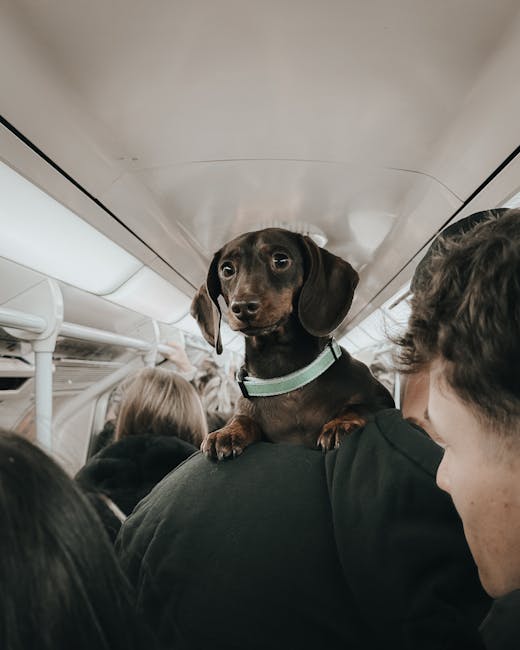
Moving with pets across the UK: a practical checklist
Moving house is stressful enough without a dog under your feet, a cat hiding behind the washing machine, or a rabbit thumping at every unfamiliar sound. If you're moving with pets across the UK, the trick is not to "wing it" on moving day. It's to build a simple, practical plan that keeps routines steady, reduces noise and chaos, and helps your animal arrive calm enough to settle in faster.
Truth be told, pets don't care how neat your box labels are. They care about smells, safe spaces, predictable mealtimes, and whether their person is suddenly acting strange. This guide gives you a real-world checklist for moving with pets across the UK: what to do before the move, what to pack, how to travel, and how to help your pet adjust once the keys are in your hand. It also includes a few sensible links to useful services if you want help with the move itself, from home moves to packing and unpacking services.
If you're short on time, keep this in mind: the fewer surprises on moving day, the better your pet will cope. Simple as that.
Why Moving with pets across the UK: a practical checklist Matters
Moving home changes almost everything your pet relies on at once: their sleeping area, familiar smells, access to the garden, the route to the litter tray, even the sound of your kettle. That's why a structured plan matters. It turns a messy, emotional day into a sequence of familiar actions.
For many pets, the hardest part is not the journey itself. It's the run-up. Open boxes everywhere, doors left propped open, workmen coming in and out, your own routine going sideways. Dogs can become overexcited. Cats can vanish. Small pets may get startled by a tiny change in sound or temperature. And if you're moving a long distance, maybe from London to Surrey or from Birmingham to Yorkshire, there's more time spent in transit, which adds another layer.
A practical checklist helps in three ways:
- It keeps pet safety front and centre.
- It reduces the chance of last-minute panic, which pets seem to notice instantly.
- It helps everyone else involved in the move work around the animal, not through the animal.
If you're using a professional team for the rest of the house move, it can also help them plan better. Services like removals or a smaller man and van setup are easier to coordinate when you already know where pets will be kept, when doors need to stay shut, and which items must be loaded last.
The biggest pet-moving mistake is assuming the move is only about transport. In reality, it's about managing the whole day so your pet feels as little upheaval as possible.
How Moving with pets across the UK: a practical checklist Works
At a practical level, moving with pets works best when you split the process into four phases: planning, packing, travelling, and settling in. That sounds obvious, but most moving stress comes from trying to do all four at once.
1) Planning phase
This is where you decide who needs what, when. Think about vet records, carriers, travel bowls, medication, and any pet-specific routines. If your pet is anxious, you may also need time to get them used to a crate or carrier. A few short sessions with treats and calm repetition can make a surprising difference. Not glamorous, but effective.
2) Packing phase
Pack your pet's items separately and label them clearly. Keep one "first night" bag to hand. That bag should travel with you, not in the moving van. If you're already arranging house removals or booking a larger vehicle like a moving truck, decide where pet items will sit so they don't get buried under furniture.
3) Travel phase
The right travel method depends on the pet, the distance, the weather, and how easily they become stressed. Dogs often do best with planned breaks and water stops. Cats usually travel better in secure carriers with a stable base. Small pets need excellent ventilation and temperature control. The goal is calm, not speed for its own sake.
4) Settling-in phase
Once you arrive, set up one room first if you can. Put out familiar bedding, food, water, toys, and a litter tray or run. Pets tend to relax faster when the new home smells a bit like the old one. That can be as simple as their blanket, their bowl, or the cushion they always nap on.
If you want extra support with the move itself, you can explore removal services and, where needed, packing and unpacking services so you're not juggling boxes and pet care at the same time.
Key Benefits and Practical Advantages
A pet-focused moving plan is not just kinder. It's practical. When pets are calm and contained, everything else usually flows better too. Fewer interruptions. Fewer escape risks. Less noise. Less chaos. Better sleep the night before, which, let's face it, everyone needs.
- Lower stress for the pet: familiar routines and spaces help reduce anxiety.
- Lower stress for you: you're not improvising at the last minute.
- Safer loading and unloading: doors can stay closed at the right moments.
- Less chance of escape: important for cats, dogs, and curious small animals.
- Faster settling: pets adapt more quickly when their first day is controlled.
There's another benefit people miss: better communication. If your movers know there's a pet in the home, they can be more careful with open doors, noise, and placement of items. That matters whether you're working with a full crew, a man with van, or a local removal company.
A good checklist also makes the move more human. It reminds you that this is not just furniture logistics. It's a family change.
Who This Is For and When It Makes Sense
This guide is for anyone moving a pet within England, Scotland or Wales who wants fewer surprises and a smoother transition. It's especially useful if you're moving:
- from a flat to a house with a garden;
- between rented homes with strict moving dates;
- with more than one pet;
- with anxious, elderly, or medically sensitive animals;
- over a long distance, where the travel time is more than a quick local hop;
- while also managing children, work, or a tight completion day.
It also makes sense if you're coordinating a bigger move and need a reliable home-moving setup in the background, such as house movers or house removalists. The pet plan and the furniture plan should support each other. They should not fight each other.
One small example: a family moving from Wimbledon to Richmond upon Thames might only have a 30-minute drive, but if their cat is nervous and the house is busy on both ends, the real challenge is not distance. It's control. Same story in a quiet village or a busy city street.
Step-by-Step Guidance
Here's the practical version. Keep it simple, and do not leave everything for the last day. Moving day already has enough drama without adding a missing lead or a vanished carrier to the mix.
- Book the move date and build the pet plan around it. If the move date is confirmed, mark out three timelines: a week before, the day before, and the first night in the new home.
- Check your pet's identification. Make sure collars, tags and microchip details are up to date. If your pet goes missing in an unfamiliar area, accurate contact details are invaluable.
- Speak to your vet if needed. This is especially sensible for pets with motion sickness, chronic conditions, or anxiety. You are not asking for a miracle, just solid guidance.
- Prepare the carrier or travel crate early. Leave it open at home with a blanket or toy inside, so it stops feeling like a surprise prison on moving day.
- Pack a pet essentials kit. Include food, water, bowl, leads, litter, waste bags, medication, bedding, a towel, and a favourite toy.
- Decide where the pet will stay during loading. A quiet room with the door shut is often best. Put a sign on the door if there are lots of people coming and going.
- Load the pet's items last. Keep the essentials bag with you. Don't tuck it away in the back of the van.
- Travel with breaks planned. For dogs especially, stops for water and toilet breaks are practical, not optional.
- Set up the pet zone first at the new property. One room, one bed, one bowl, one tray. That's enough for the first few hours.
- Watch behaviour closely for the first 48 hours. Reduced appetite, hiding, clinginess or pacing can all be normal short-term reactions, but persistent changes may need vet advice.
If you're coordinating a bigger relocation, you might also like to plan the move around a more streamlined vehicle option, such as man with a van or removals van, depending on the size of the move. The right setup can reduce the time doors are open, which pets usually appreciate more than we do.
Expert Tips for Better Results
A few small habits make a big difference. Most of them are boring in the best possible way.
Keep routines as normal as you can
Feed at the usual time. Walk dogs at the usual time if the day allows it. Use the same command words. Pets notice routine shifts long before humans do.
Create one safe room
If the house is full of boxes and doors are opening every few minutes, a quiet room can act as a buffer. Put in bedding, water and a few familiar objects. For cats, a covered bed or carrier in that room can help. For dogs, a toy they actually use, not the one you bought because it was cute.
Move smells with the pet
Familiar scents are calming. Keep a blanket, cushion, or unwashed toy to hand. It sounds almost too simple, but animals respond to smell in a way people tend to underestimate.
Avoid overfeeding before travel
Especially for dogs and cats, a heavy meal right before the journey can be a mistake. Small, familiar meals are usually safer. If you're unsure, check with your vet.
Don't introduce the whole new house at once
Let your pet explore in stages. One room, then another, then the garden if it is secure. If you open the whole place on day one, you may end up with a panic tour of every corner.
Use the mover's timing to your advantage
If the removals team can work in a predictable order, that's better for pets. Ask them to keep certain doors shut, or to place the pet kit where you can reach it quickly. If you need a broader moving setup, see removal services and, where suitable, movers.
And one more thing: if your pet is exceptionally sensitive, consider whether someone can stay with them in a quiet room while the rest of the home is loaded. It's not always possible, but when it is, it helps.
Common Mistakes to Avoid
Most pet-moving problems are predictable. That's the good news. The slightly annoying news is that they're predictable because people make the same mistakes over and over.
- Leaving the carrier until the last minute. Then trying to stuff a worried cat into it while people are shouting in the hallway. Not ideal.
- Forgetting identification updates. Old phone numbers on a microchip record are a real headache if a pet slips out.
- Letting doors stand open. Moving day is the perfect escape opportunity for a determined pet.
- Packing pet essentials with the general house boxes. If the lead, food or medication is buried, you will feel it immediately.
- Assuming every animal travels the same way. Dogs, cats, rabbits, birds and reptiles all have different needs.
- Changing food, bedding and routine at the same time. That's a lot for one day.
- Not planning for the weather. A warm van or a hot car can be a serious issue in summer, while winter requires extra care too.
The simplest fix is to treat the pet plan as a separate task, not a side note. If you're already booking pricing and quotes, it's worth asking how the move can be timed around pet care. Good planning saves hassle later. Usually a lot of it.
Tools, Resources and Recommendations
You do not need a suitcase full of specialist gear, but a few useful tools make the day easier:
- Secure carrier or crate: sized properly for your animal.
- Collapsible bowls: handy for breaks and first-night feeding.
- Comfort blanket: preferably one with familiar scents already on it.
- Disposable bags or litter supplies: especially for dogs and cats.
- Basic cleaning kit: for spills, accidents, or muddy paws.
- Calm background noise: a radio or low music can sometimes soften the sound of a busy house.
- Printed notes: vet contact, medication schedule, and travel timing. Old-school, yes. Useful, also yes.
For the moving side of the equation, it can help to look at removal truck hire if you have a larger property, or a lighter man with van removal if the move is smaller and more contained. Some households simply do better with fewer trips, fewer people, and less noise. That part is context-specific.
It can also be worth reviewing practical trust pages like health and safety policy and insurance and safety if you want peace of mind about the move environment itself.
Law, Compliance, Standards, or Best Practice
For UK domestic moves, there usually isn't a special legal checklist just because you have a pet. But there are still a few sensible compliance and welfare points to keep in mind.
Identification and microchipping: Dogs in the UK must be microchipped and kept registered with current details. Even where microchipping is not legally required for other pets, accurate ID records are still a best practice.
Animal welfare: Under the Animal Welfare Act 2006, pet owners have a duty of care. In practical terms, that means providing suitable food, water, a proper environment, the ability to exhibit normal behaviour, and protection from pain, suffering, injury and disease. During a move, that duty doesn't stop.
Transport conditions: Vehicles should be ventilated, secure and appropriate to the animal. For hot or very cold weather, you should plan carefully and avoid leaving pets in unsafe conditions. If you're moving in summer, it's wise to keep the journey as short and well-timed as possible.
Medication and vet care: If your pet is on medication, keep it with you and follow the prescribed schedule. Do not guess. If the move is likely to disrupt routine or trigger anxiety, ask a vet before you travel.
Best practice on moving day: keep pets away from open exits, don't rely on "they'll be fine for ten minutes," and ensure someone is specifically responsible for them. When everyone assumes someone else is watching the cat, that is when the cat becomes invisible.
If you're moving from one part of Greater London to another, or out toward areas like London, Kingston upon Thames, or Richmond, the same welfare rules apply. The details change. The duty of care doesn't.
Options, Methods, or Comparison Table
There is no single "right" way to move a pet. The best method depends on species, temperament, journey length, and how crowded the rest of your move will be. Here's a simple comparison to help you decide.
| Option | Best for | Pros | Watch-outs |
|---|---|---|---|
| Self-managed travel with your own vehicle | Most dogs, cats, and small pets on shorter UK journeys | More control, familiar person nearby, easy to stop when needed | You still need careful loading, ventilation, and secure restraint |
| Professional moving van for household goods only | Families who want to separate pets from furniture logistics | Less clutter in the car, smoother house move, easier scheduling | You must plan pet transport separately and keep essentials with you |
| Phased move with pet staying elsewhere temporarily | Highly anxious pets or very busy completion days | Less chaos on the day, quieter arrival, easier to set up the new home | Requires a trusted temporary carer or boarding arrangement |
| Carrier-led transport with limited stops | Cats and small animals | Secure, contained, predictable | Needs temperature control and regular checks |
If the rest of the move is already being handled by a team, you may also compare man and van removals against a larger moving van option. The more complex the home, the more valuable it can be to simplify the logistics.
Case Study or Real-World Example
A family moving from south-west London to Surrey had one excitable spaniel and two indoor cats. The house sale was completed on a Friday afternoon, which is about as helpful as it sounds. Boxes everywhere. A squeaky stair. Builders in and out. Very normal, very chaotic.
Instead of trying to do everything at once, they set up one spare room as the pet base. The cats stayed there first, with their tray, food, water and blankets. The dog was walked before loading began, then kept with a family member away from the front door while furniture was moved out. The essentials bag stayed in the car, not in the van.
At the new home, they repeated the same pattern. One room first. Familiar blanket. Water down. Doors shut. The dog got a short sniff around the garden once the removals team had finished bringing in the largest items. The cats stayed in their room until the evening. No escape drama. No hungry panic. No frantic searching under a bed frame with a torch at 10pm. That sort of thing can happen, of course. It just didn't here.
What made it work wasn't anything fancy. It was sequencing. They treated the pets as part of the move plan, not as a postscript. That's the difference.
If you're planning a similar move and want the physical relocation handled by a dependable crew, you can review house removalists or removal company options while keeping your own pet routine separate and calm.
Practical Checklist
Use this as your last-pass list in the week before the move. Keep it printed if you can. Screens are fine, but paper is nicer when your phone battery is at 4% and you're also looking after a dog.
- Confirm moving date and expected arrival times.
- Check microchip, collar tag and contact details.
- Speak to a vet if your pet has anxiety, medication, or health issues.
- Prepare carrier, crate, or travel box early.
- Introduce the carrier gradually with treats or bedding.
- Pack pet food, water, bowls, lead, harness, litter, bags, medication and towels.
- Keep a pet essentials bag with you on the day.
- Choose a quiet room for pets during loading and unloading.
- Make sure doors and gates stay shut when pets are moving between spaces.
- Load pet belongings last and unload them first.
- Plan travel breaks for dogs and longer journeys.
- Keep pets cool, ventilated and secure during transport.
- Set up food, water, bedding and litter tray before exploring the whole house.
- Keep routines as normal as possible for the first few days.
- Watch for signs of stress and contact a vet if something feels off.
Quick takeaway: make the pet plan before the packing chaos takes over. That one decision saves a surprising amount of stress.
Conclusion
Moving with pets across the UK does not have to feel overwhelming. If you plan ahead, keep familiar routines, and treat your pet's comfort as part of the moving strategy rather than an afterthought, the whole process becomes much more manageable. Not easy, exactly. But manageable.
The best outcomes usually come from simple discipline: prepare the carrier early, keep essentials close, protect the pet from open doors and noise, and give them one calm space to land in the new home. That's the heart of it.
If you're also organising the rest of the property move, a well-coordinated service can make life a lot easier. You can explore options for home moves, compare pricing and quotes, or get in touch through contact us when you're ready to plan the practical side properly.
Get a free quote today and see how much you can save.
And if nothing else, remember this: a pet that feels safe settles faster, and a settled pet makes a new house feel like home sooner. That part really does matter.
Frequently Asked Questions
What is the best way to move a pet across the UK?
The best way is usually the one that keeps your pet calm, secure and close to familiar routines. For many dogs and cats, that means travelling in a secured vehicle with planned breaks, while small pets need a stable, well-ventilated carrier. The exact setup depends on the animal, the distance, and how easily they get stressed.
Should I use a pet transporter or move my pet myself?
It depends on the pet and your own move. Moving them yourself gives you more control and is often easier for anxious pets. A specialist transporter may suit longer or more complex journeys, but you should always check what conditions they provide. For a standard UK house move, many owners prefer to keep the pet with them.
How do I keep my cat calm on moving day?
Give your cat one quiet room, keep the carrier out early, use familiar bedding, and avoid introducing too much activity at once. Cats often do better when they can hide safely and observe the noise rather than being in the middle of it. Keeping their scent objects nearby helps more than people sometimes expect.
What should I pack in a pet essentials bag?
Pack food, water, bowls, lead, harness, litter, waste bags, medication, a towel, bedding and one favourite toy. If your pet needs regular medication, keep it with you rather than in the moving van. It sounds obvious, but on a hectic day obvious things get missed.
How far in advance should I prepare my pet for the move?
Ideally a week or two before the move, especially if your pet is anxious or unused to carriers. For some animals, even a few short practice sessions help a lot. The earlier you build the routine, the less likely the carrier or crate is to feel like a surprise on the day.
Do pets need a vet check before moving?
Not always, but it's a good idea if your pet has health conditions, motion sickness, anxiety, or needs medication. A vet can help you decide whether any extra precautions are sensible. For older animals or those with special care needs, a quick conversation is well worth it.
How can I stop my dog escaping during the move?
Keep doors and gates shut, use a lead, and give one person responsibility for the dog at all times. This matters most while furniture is being moved in and out. The short window of chaos is exactly when pets can slip away, so a clear handover plan helps.
Should my pet stay in the house while the removals team is loading?
Usually it's better for pets to stay in a quiet, closed room away from the main loading area. If that isn't possible, arrange for them to stay with a trusted person or in a secure temporary space. The aim is to avoid open exits, noise and too many unfamiliar people at once.
What if my pet gets stressed after arriving?
Some stress is normal. Give them time, keep the environment quiet, and stick to familiar routines as much as you can. If your pet stops eating, seems unwell, or shows ongoing distress, contact a vet. Often the first night is the hardest, then things ease a little.
Is it okay to feed my pet right before travel?
Usually a large meal right before travel is not ideal, especially for dogs and cats. A lighter meal earlier in the day is often safer, but advice can vary by species and health needs. If you're unsure, ask your vet what they recommend for your pet specifically.
How do I move small pets like rabbits or guinea pigs?
Keep them in a secure, well-ventilated carrier with familiar bedding and protection from temperature swings. Avoid direct sunlight and sudden jolts. Small pets are often more sensitive to noise and heat than people realise, so steady handling is more important than speed.
Can movers help if I have pets in the house?
Yes, as long as everyone understands where the pet will be and which doors need to stay closed. A good removals team can work around pets if the plan is clear. If you're comparing services, it can help to look at options like removals near me and choose a setup that suits the size and pace of your move.