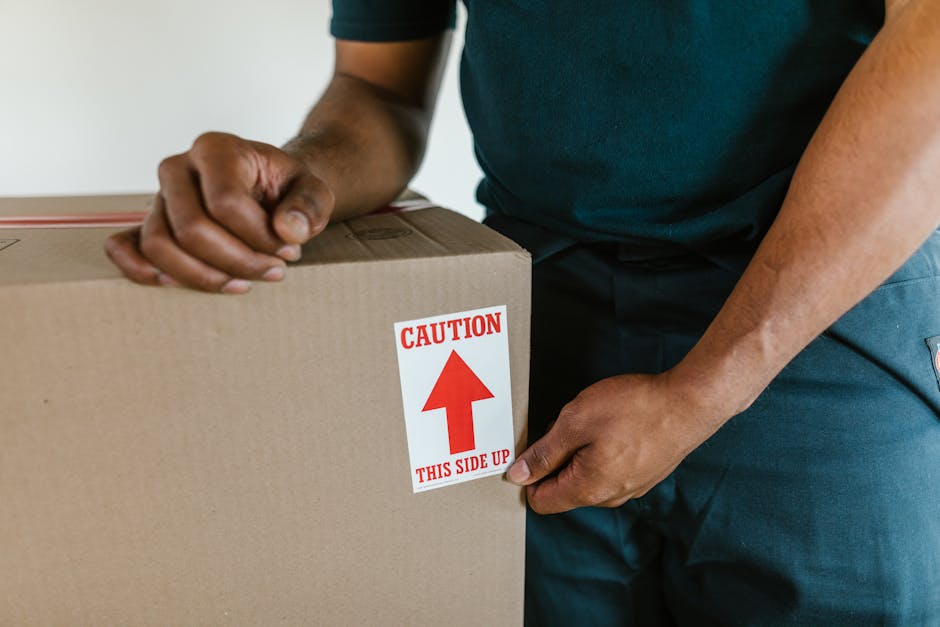
Common DIY moving mistakes that double time and costs
Moving yourself can look simple on paper. Hire a van, grab some boxes, rope in a couple of mates, and crack on. But anyone who has actually spent a Saturday wrestling a wardrobe through a narrow hallway knows the truth: common DIY moving mistakes that double time and costs can turn a tidy plan into a long, expensive, slightly frazzled day.
Sometimes it is the little things that sting. Too few boxes. No one measured the sofa. The kettle is packed in the wrong box. The van is the wrong size, the parking permit was forgotten, and now you are making an extra trip in fading daylight. It happens. This guide breaks down the mistakes people make, why they matter, and how to avoid them without turning moving day into a drama.
You will also get a realistic step-by-step process, a practical checklist, and a clear view of when DIY makes sense and when a professional option is simply the calmer choice.
Table of Contents
- Why common DIY moving mistakes matter
- How DIY moving goes wrong
- Key benefits of getting the move right
- Who this is for and when DIY makes sense
- Step-by-step guidance
- Expert tips for better results
- Common mistakes to avoid
- Tools, resources and recommendations
- Law, compliance, standards, or best practice
- Options, methods, or comparison table
- Case study or real-world example
- Practical checklist
- Conclusion
- Frequently asked questions
Why Common DIY moving mistakes that double time and costs Matters
DIY moving is often chosen to save money. Fair enough. On a small move, that can work really well. But the savings only hold if you stay organised, realistic, and a bit ruthless about planning. Once the day starts slipping, the cost rises fast: extra van hire, fuel, food, parking, awkward overtime from helpers, broken items, and sometimes even time off work the following day because your body has had enough.
The real issue is not just money. Time creates pressure. Pressure creates rushed lifting. Rushed lifting creates damage. A chipped dining table, a scratched wall, a twisted ankle. Suddenly the whole move becomes heavier than it needed to be.
In London and other busy UK areas, the pressure is sharper. Tight streets, timed parking, flats with narrow stairwells, lifts that mysteriously stop working on move day - all of it adds friction. That friction is what turns a "saving" into a headache.
Expert summary: The biggest DIY moving cost is rarely the van. It is the chain reaction caused by poor planning, bad packing, and underestimating how long physical work really takes.
How Common DIY moving mistakes that double time and costs Works
It works in the same way small errors compound in any project. One mistake slows the process. That delay affects the next task. Then the next. Before long, you are not moving house efficiently; you are firefighting.
For example, if you do not label boxes properly, unloading becomes a guessing game. Guessing means boxes get placed in the wrong rooms. Wrong rooms mean more carrying. More carrying means more time, more fatigue, and more chance of damage. A tiny oversight at 8am can still be costing you at 8pm.
The most common DIY moving mistakes are not dramatic. That is the annoying part. They are ordinary, believable mistakes:
- underestimating how much needs packing
- buying the wrong number or type of boxes
- failing to disassemble bulky furniture
- loading the van badly so items have to be repacked
- forgetting permits, keys, or access details
- leaving packing until the night before
Each one seems minor. Together, they are expensive. And if you have ever watched a mattress being awkwardly rotated in a stairwell while someone mutters "it should fit," you already know how quickly optimism can disappear.
Key Benefits and Practical Advantages
Getting DIY moving right does more than protect your budget. It reduces stress, keeps the day moving, and helps everyone stay safer. That is the real benefit, to be honest.
1. Better control over the day
When you understand the job properly, you can plan the order of tasks, keep the essentials handy, and avoid the classic dead spots where nobody knows what to do next. A clear plan saves more time than people expect.
2. Lower risk of damage
Well-packed boxes, properly wrapped furniture, and sensible loading all reduce damage. That matters whether you are moving a student flat or a family home with years of stuff in it.
3. Less physical exhaustion
Yes, moving is tiring. But poor methods make it far worse. Carrying fewer heavy loads, using the right equipment, and clearing pathways all help you finish with some energy left in the tank.
4. Fewer hidden costs
DIY moves often slip over budget because of small extras: more tape, an extra hour of van hire, a second fuel stop, replacement packing material, or emergency food because no one planned a break. Better planning keeps those surprises down.
5. Easier unpacking
Simple systems at packing stage pay off later. Clear labels, room-by-room sorting, and an essentials box can save the first evening in the new place. And that first evening matters. You want tea, not chaos.
Who This Is For and When It Makes Sense
DIY moving suits some people very well. It is usually a good fit when the move is small, the route is short, the access is straightforward, and you have a decent support team. A one-bedroom flat with a reasonable lift, a nearby parking space, and a weekend buffer can often be managed without too much drama.
It also makes sense if you are moving flexible items rather than lots of awkward furniture. Students, first-time renters, and people shifting only a few rooms often choose this route to keep costs down.
But DIY starts to lose its charm when the move includes:
- heavy wardrobes, sofas, or white goods
- multiple floors with no lift
- limited parking or timed access
- valuable or fragile items
- family members, children, or pets who need attention
- a tight deadline with little margin for delay
If any of those apply, you need to be more cautious. It may still be doable, but only if the plan is properly thought through. Otherwise, the "cheap" option can become the costly one.
Step-by-Step Guidance
Here is the practical version. Not the glossy version. The one that helps on a real moving day.
Step 1: Make a room-by-room inventory
Write down what is moving from each room. Be honest. People routinely forget loft items, under-bed storage, garden tools, and the contents of the airing cupboard. Those forgotten bits are the reason a van ends up making a second trip.
Step 2: Measure the bulky items
Measure beds, sofas, wardrobes, tables, and appliances. Then compare those measurements with doorways, stair widths, and the van size. It sounds obvious. People still skip it. A few minutes with a tape measure can save an hour of swearing at a landing.
Step 3: Book the right van and access plan
Choose a vehicle that fits the job, not just the budget. If the van is too small, you pay in time. If it is too large for the street, you may pay in access trouble. In many London areas, parking and loading can be the make-or-break detail.
Step 4: Pack by room and weight
Pack heavy items in smaller boxes and light items in larger boxes. That is the old rule, and for good reason. Books and kitchenware belong in compact boxes. Bedding and cushions can fill bigger ones. Do not create monster boxes that need two people and a prayer.
Step 5: Label clearly
Label at least three things: the room, the contents, and whether the box is fragile or essential. A quick label like "Kitchen - pans and kettle - open first" is far more useful than "misc."
Step 6: Prepare an essentials bag
Keep passports, chargers, kettle, basic toiletries, medication, snacks, and a couple of tools with you. You will not want to search twenty boxes for phone cables at 11pm. Nobody does.
Step 7: Load in the right order
Heavy, flat, and sturdy items generally go in first, with fragile items protected and gaps filled so nothing slides around. Load in a way that helps unloading too. The van is not just a storage box; it is a moving puzzle.
Step 8: Protect the property
Use door protectors, blankets, and floor coverings where needed. A quick scrape across a white wall can cost you more in repairs than the tape and padding would have cost in the first place.
Step 9: Keep the team fed and paced
Breaks matter. So does water. People moving furniture get tired, clumsy, and overconfident all at once. A short pause can be the difference between a clean carry and a dropped sideboard. Truth be told, morale also improves with tea and biscuits.
Step 10: Finish with a final sweep
Before leaving, check cupboards, loft spaces, sheds, under beds, windows, meter readings, and keys. Then do a final walk-through. That last look catches the things everyone swore were already packed.
Expert Tips for Better Results
After enough moves, a pattern emerges. The people who stay calm are not necessarily stronger. They are usually better prepared.
Use a staging area
Set aside one area in the home for packed boxes and one area for items still in use. That simple split stops the house from becoming a maze of half-packed bags and loose screws. It also makes it easier to tell what is done.
Sort tools into a small moving kit
Keep tape, scissors, markers, zip ties, rubbish bags, a screwdriver, and a roll of stretch wrap together. When the right tool is missing, everything slows down. Every time. Small annoyance, big delay.
Protect floors and corners early
Most damage happens when people are tired and moving fast. Put protection down before you start carrying heavy items. Once the sofa is halfway through the doorway, it is too late to be careful about the skirting board.
Take photos before dismantling
Photograph cable setups, shelf positions, and furniture assembly points. That tiny step saves time later when you are trying to remember where the weird little bracket went. It always has a weird little bracket.
Be realistic about lifting
If something feels too heavy or awkward, it probably is. Use a trolley, ask for help, or hire support for the heavy stuff. Pride is not a lifting aid.
Start earlier than you think
A move always takes longer than the optimistic estimate. Start early, not "around ten-ish". That extra buffer gives you room for traffic, traffic lights, missing keys, or the inevitable box that was packed in the wrong order.
Common Mistakes to Avoid
This is the heart of the issue. These are the errors that most often turn a manageable move into a drawn-out, costly day.
1. Underestimating volume
People consistently think they own less stuff than they do. Wardrobes, cupboards, drawers, under-bed storage, bathroom shelves - all of it adds up. If you do not account for the small things, you end up making extra journeys.
2. Leaving packing too late
Packing the night before sounds efficient. It is not. It creates a chaotic sort of confidence right before everything falls apart. Late packing leads to poor labelling, weak box stacking, and forgotten essentials.
3. Using the wrong boxes
Old supermarket boxes are not always up to the job, and overfilled boxes are a back injury waiting to happen. Weak boxes collapse, split, or force awkward handling. Good boxes cost less than replacing broken items.
4. Failing to disassemble furniture
Leaving beds, tables, and wardrobes intact can make them impossible to move safely. Sometimes dismantling takes twenty minutes and saves two hours. Not always, but often enough to matter.
5. Not checking access
Staircases, lifts, parking bays, and building rules can all slow you down. If you are moving into a block of flats, check loading arrangements in advance. The wrong assumption can cost you a whole afternoon.
6. Loading the van badly
Bad loading means items shift, break, or need repacking. It also means you waste space. The result? Another trip. Or a van hire extension. Or both. Lovely.
7. Forgetting to protect fragile items
Plates, mirrors, lamps, glass shelves, and screens need proper wrapping. Newspaper alone is not enough for many breakables. Use padding, keep fragile items upright where appropriate, and don't leave gaps inside boxes.
8. Not having a first-night kit
People often unpack everything except the one box that matters most. Then they spend the first evening searching for the phone charger, toilet paper, mugs, and the only screwdriver in the house.
9. Relying on too few helpers
Two tired people trying to move a sofa up a stairwell is not a strategy. It is a memory in the making. Arrange enough help, and make sure they know what time to arrive.
10. Ignoring insurance and liability
If you are using a hired van or asking friends to help, know what is covered and what is not. DIY moves can create awkward grey areas if something gets damaged. That is why reading the small print matters, even if it is boring.
Tools, Resources and Recommendations
You do not need a warehouse full of equipment. You do need a sensible kit. The right tools can reduce effort and prevent a lot of avoidable damage.
| Tool or item | Why it helps | Best use case |
|---|---|---|
| Strong moving boxes | Reduce collapse and splitting | Books, kitchenware, mixed household items |
| Packing tape and dispenser | Speeds up sealing and re-taping | All boxes, especially heavier loads |
| Permanent marker | Makes labelling clear and fast | Room labels, fragile notes, essentials box |
| Furniture blankets | Protects surfaces during transport | Tables, wardrobes, appliances |
| Ratchet straps | Stops items shifting in the van | Large furniture and grouped boxes |
| Hand trolley or sack truck | Reduces lifting strain | Heavy boxes, white goods, flat access routes |
| Stretch wrap | Keeps drawers and parts secure | Furniture, cables, rolled items |
| Zip bags | Keeps screws and fixings together | Furniture dismantling and electronics |
If you are choosing between a full DIY move and getting a bit of help, think about what actually slows you down. Many people do not need a complete service; they need support with the difficult part. That is why options like a man and van service or a packing and unpacking service can be worth considering for the heavy lifting or time-critical bits.
It is also sensible to review your wider move plan with a trusted local provider such as removals specialists or a well-organised removal company if the move is larger than expected. Sometimes a small amount of support saves a full day of stress.
Law, Compliance, Standards, or Best Practice
For a DIY move, the main compliance concerns are practical rather than legal. Still, they matter. In the UK, you should take care with parking restrictions, access rules for flats or estates, waste disposal, and safe lifting. If you are moving in London, local parking permits or loading limits may apply depending on the street and timing, so it is worth checking well in advance with the relevant local authority or building management.
Health and safety is another big one. Repeated lifting, awkward twisting, and carrying items down stairs can cause injury. That is why sensible equipment, teamwork, and planning are not just nice-to-haves. They are the standard best practice. A move should not leave someone unable to work the next day because they tried to be a hero with a washing machine.
If you hire a van or a moving service for part of the job, read the terms carefully. Check what is covered for damage, delays, and loading help. Also check access details, because a mismatch between the booking and the real property can be expensive.
And a small note on property rules: many leaseholds, managed buildings, and estates require advance notice for moving. That is not glamorous, but it matters. Skipping it can create delays that are entirely avoidable.
Options, Methods, or Comparison Table
There is no single right way to move. The best method depends on your home size, access, budget, and how much time you genuinely have. Here is a simple comparison to make the choice clearer.
| Method | Best for | Main upside | Main drawback |
|---|---|---|---|
| Full DIY move | Small, simple moves | Lowest direct cost | Higher risk of delays and heavy lifting |
| DIY with van hire only | People with help already arranged | Flexibility and control | Still requires planning, lifting, and loading skill |
| Man and van support | Medium-sized moves or awkward items | Reduces lifting and speeds loading | Costs more than pure DIY |
| Professional removal service | Large, complex, or time-sensitive moves | Less stress, more efficiency | Highest direct cost, usually |
For many households, the middle option is the sweet spot. You keep some control, but you do not have to carry everything yourself. If you are comparing options, browsing removal services and checking practical support such as house movers can help you judge what level of help makes sense.
Case Study or Real-World Example
Imagine a couple moving from a two-bedroom flat in South West London. On paper, they think it is a straightforward DIY move. A hired van, two friends, and a Saturday booked off. Simple enough.
But the packing starts late. Half the kitchen is still loose at 11pm the night before. The wardrobe was never measured, so it has to be dismantled in a rush. One helper arrives late. Another has never lifted a sofa on a staircase before. By mid-morning, the van is half full, but not efficiently packed. They realise the mattress does not fit the way they expected, and now the schedule is slipping.
What changed the outcome? Small things. If they had booked better support, measured the furniture, packed room by room, and kept an essentials box ready, the move would have felt very different. Not effortless - moving rarely is - but far less chaotic.
That kind of situation is common. The move itself is not the problem. The missing preparation is.
Practical Checklist
Use this before moving day. Seriously. It saves arguments, time, and a lot of sighing.
- Make a room-by-room inventory
- Measure bulky furniture and doorways
- Book the right van size
- Check parking and loading access
- Confirm help from friends or family
- Pack non-essentials early
- Label each box with room and contents
- Prepare an essentials box or bag
- Wrap fragile items properly
- Dismantle furniture where needed
- Protect floors, corners, and door frames
- Keep tools, tape, and markers in one place
- Plan food, water, and short breaks
- Do a final sweep of every room
- Take meter readings and photos if useful
Quick takeaway: The best way to avoid common DIY moving mistakes that double time and costs is to reduce decisions on the day. Decide early. Label clearly. Move calmly. That is where the savings are.
If your move is looking bigger than expected, or you simply want the heavy part handled properly, it can help to explore a practical option such as home moves support or a flexible moving van arrangement. A little planning now can save a lot of running about later.
Conclusion
DIY moving can absolutely work. But it only works well when the job is sized correctly, the packing is organised, and the access plan is thought through from the start. The mistakes that double time and costs are usually not dramatic failures. They are ordinary oversights: the wrong box, the wrong van, the wrong timing, the wrong assumptions.
Get those basics right and the whole day feels lighter. Less stress. Less waste. Fewer bruised shins and fewer "we should have measured that" moments. And if the move starts to feel too big for one weekend, that is not a weakness. It is just sensible judgement.
Get a free quote today and see how much you can save.
Whatever route you choose, a calm move is still possible. Take it one step at a time, keep your plan simple, and let the day unfold with a bit more breathing room.
Frequently Asked Questions
What are the most common DIY moving mistakes?
The biggest mistakes are underestimating how much you own, leaving packing too late, using poor-quality boxes, failing to measure furniture, and not planning access or parking properly.
Why do DIY moves end up costing more?
They usually cost more because of hidden extras such as extra van time, fuel, damaged items, extra trips, replacement packing materials, and sometimes missed work or paid help booked at short notice.
How can I save time on a DIY move?
Pack room by room, label everything clearly, book the right van size, and prepare an essentials box. Starting early is one of the simplest ways to save time.
Is it cheaper to move myself or hire help?
For very small, simple moves, DIY may be cheaper. Once you add heavy furniture, difficult access, or a lot of packing, partial or full help can be better value overall.
What size van do I need for a house move?
That depends on the amount of furniture, box count, and access. A proper inventory is the safest way to judge. If in doubt, it is usually better to avoid underbooking.
Should I dismantle furniture before moving?
Usually yes for large items like beds, wardrobes, and some tables. It makes carrying easier, reduces damage risk, and often saves time in tight hallways or stairwells.
What should go in an essentials box?
Put in items you will need on the first day and night: kettle, mugs, toiletries, phone chargers, toilet paper, basic tools, medication, snacks, and a change of clothes.
How far in advance should I start packing?
Ideally begin with non-essentials as early as possible, then leave daily-use items for the final stretch. The exact timing depends on your household, but leaving everything to the last minute is the biggest trap.
What is the safest way to lift heavy items?
Keep the load close to your body, lift with your legs, avoid twisting, and get help for awkward or heavy items. If something feels unsafe, stop and rethink the method.
Do I need to check parking or building rules before moving?
Yes. In many places, especially flats and managed buildings, access rules, loading bays, and parking restrictions can cause delays if you do not check in advance.
When should I consider a professional removal service?
If your move includes lots of furniture, limited access, a strict deadline, or items that need careful handling, a professional service can save time, reduce stress, and lower the chance of costly mistakes.
Can a man and van service be a good middle ground?
Yes, often it is. It can be a practical compromise when you want support with transport and lifting but do not need a full removal team. For many people, that balance is just right.